Education Policy & Systems
SDEEC works alongside students, families, educators, Tribal Education Departments, and community partners to address education policies and systems that impact Native students and communities across South Dakota.
This work includes supporting community engagement around school policy, increasing understanding of how different educational systems operate, and helping elevate conversations surrounding educational equity, student support, cultural participation, and access to resources.
Through advocacy, relationship-building, policy analysis, and community collaboration, SDEEC works to support educational environments where Native students, families, and communities feel seen, respected, and supported.
School Funding
SDEEC supports efforts to strengthen understanding around how educational systems serving Native students are funded, governed, and supported across South Dakota.
This work includes research and public education surrounding public school funding, BIE-funded schools, tribally controlled schools, private Native-serving schools, and the federal, state, Tribal, and local systems that shape educational opportunities for Native students.
By helping communities, educators, and partners better understand these systems, SDEEC works to support more informed conversations surrounding educational equity, tribal sovereignty, funding structures, and long-term student support.
School Lunches

After learning that schools were considering sending student meal debt to collections in 2025, SDEEC raised awareness through a community Action Network letter campaign calling for a more equitable approach to school lunches and student meal debt.
More than 500 community messages were sent urging decision-makers to ensure students were not penalized for poverty or denied access to meals during the school day.
Following this community advocacy, HB 1082 was introduced during the 2026 legislative session. The bill reimburses schools for unpaid meal balances when families eligible for reduced-price meals cannot cover the remaining cost.
SDEEC supported community engagement surrounding the legislation by sharing updates, resources, and opportunities for public participation throughout the legislative process.
Cultural Participation & Educational Access
SDEEC works alongside families, educators, and community partners to support educational environments that recognize and respect the cultural identities, responsibilities, and participation of Native students and families.
This work includes community engagement and ongoing conversations surrounding attendance practices, cultural participation, student belonging, and how schools can better support Native students and families in ways that are responsive, relationship-centered, and culturally respectful.
SDEEC has supported conversations with school districts, families, and community leaders surrounding attendance policies, communication practices, and the recognition of cultural and community-based learning experiences.
HB 1082
SDEEC raised concerns regarding SB 190, which could have delayed access to school-based mental health services for students. Community members, educators, and advocates emphasized the importance of timely mental health support for students across South Dakota. The bill ultimately did not advance.
HB 1017
SDEEC also monitored HB 1017, which expanded schools’ ability to move students into alternative educational settings due to behavioral concerns. Many educators, families, and advocates raised concerns about the potential impact on student access, support, and educational continuity. The bill ultimately passed during the 2026 legislative session.
HB 1225A
SDEEC supported HB 1225A, which proposed returning the Office of Indian Education to the South Dakota Department of Education in an effort to strengthen coordination and support for Native students.
While the bill was ultimately tabled, the conversations surrounding HB 1225A reflected growing recognition of the importance of stronger state–Tribal partnership and collaboration in education.
Civic Engagement Resources
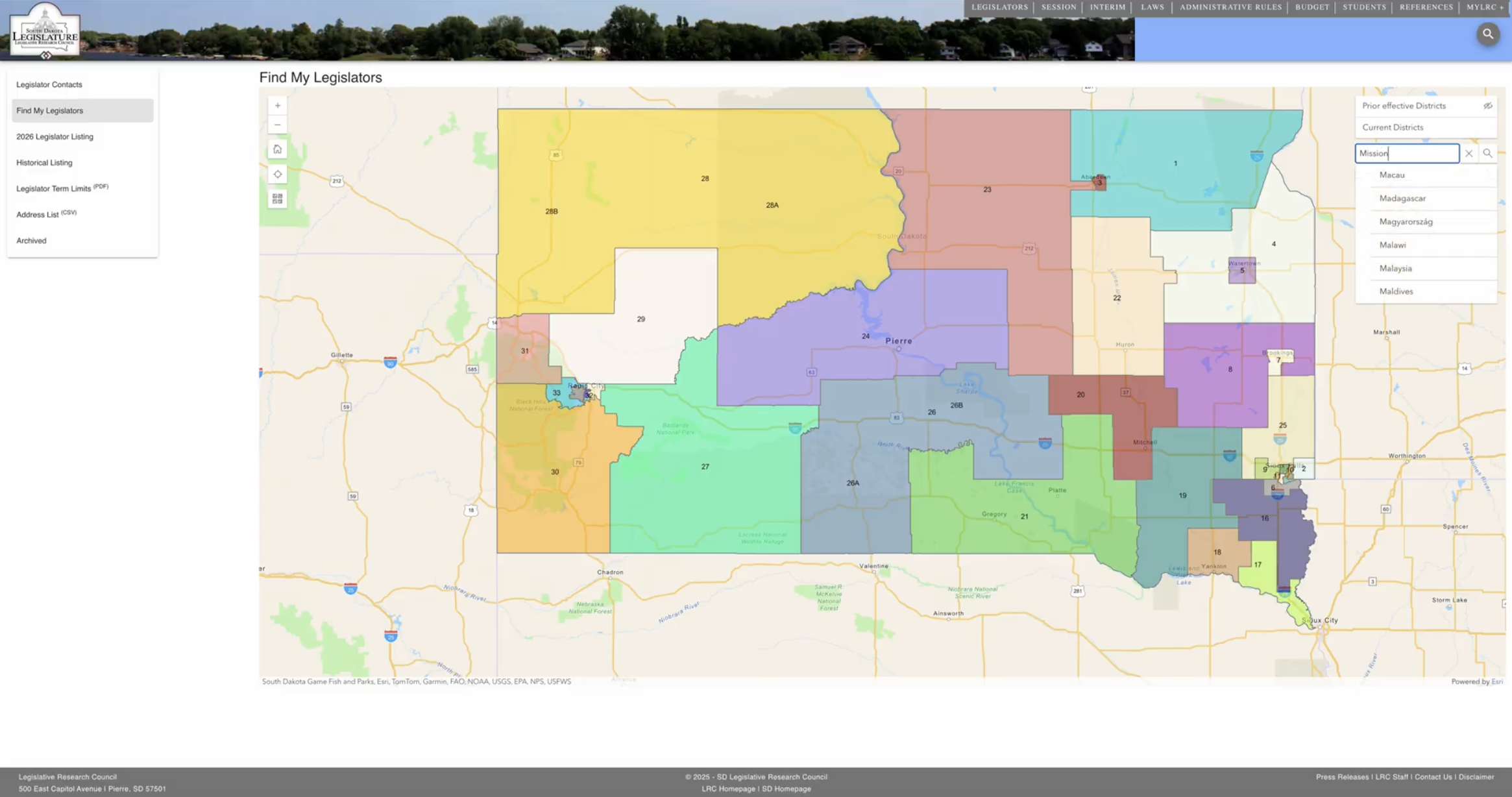
How to Find Your Legislators
Video Courtesy of Dr. Abby Menter
Testimony Training
Training Courtesy of Paul Barnhardt